Bordeaux Wine Day Tours: The Complete Guide
A Bordeaux wine day tour picks you up in the city, drives you to Saint-Émilion, the Médoc or both, and gets you tastings inside châteaux that don’t take walk-ins — with someone else behind the wheel. Half-days and full days both run year-round; compare them on the all-tours page.
There are two problems that stop people from exploring Bordeaux on their own: you cannot taste and drive, and the doors that stay shut to individual visitors swing open for organised groups. A guided day tour solves both at once. Here’s everything you need to know before you book.
Why tours exist in Bordeaux
France’s drink-drive limit is 0.5 g/L blood alcohol — roughly one small glass of wine. A Bordeaux tasting day pours 3 to 15 glasses depending on the tour, which makes driving impossible. The second reason is access: Château Margaux receives visitors by appointment only, generally reserved for wine professionals and organised groups. Petrus does not receive the public at all. Most classified growths require booking weeks in advance. The tours I recommend here have those reservations locked in.
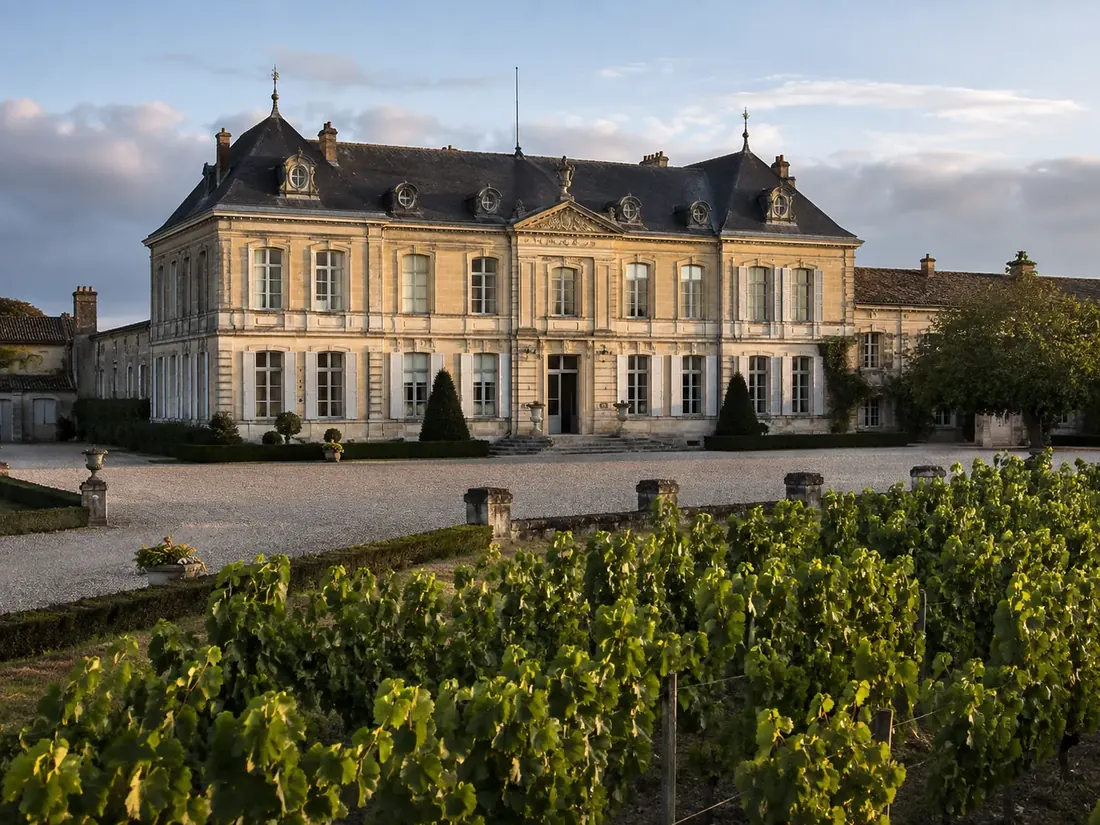
The two banks: Saint-Émilion vs the Médoc
Bordeaux wine country splits into two distinct regions, separated by the Gironde estuary. The right bank — Saint-Émilion — is a medieval hilltop village built on limestone, surrounded by steep Merlot-dominant vineyards. It’s ~35 km and 35 minutes east of Bordeaux. The left bank — the Médoc — is a flat estuary peninsula north of the city along the D2 "Route des Châteaux", lined with grand 1855-classified façades and Cabernet Sauvignon vines. Margaux is ~45 minutes away; Pauillac is about 1 hour 10 minutes. The two regions produce entirely different wines — Merlot warmth versus Cabernet muscle — and entirely different experiences. Most visitors choose one or the other. The full-day combo does both, which solves the decision.
A typical tasting day, hour by hour
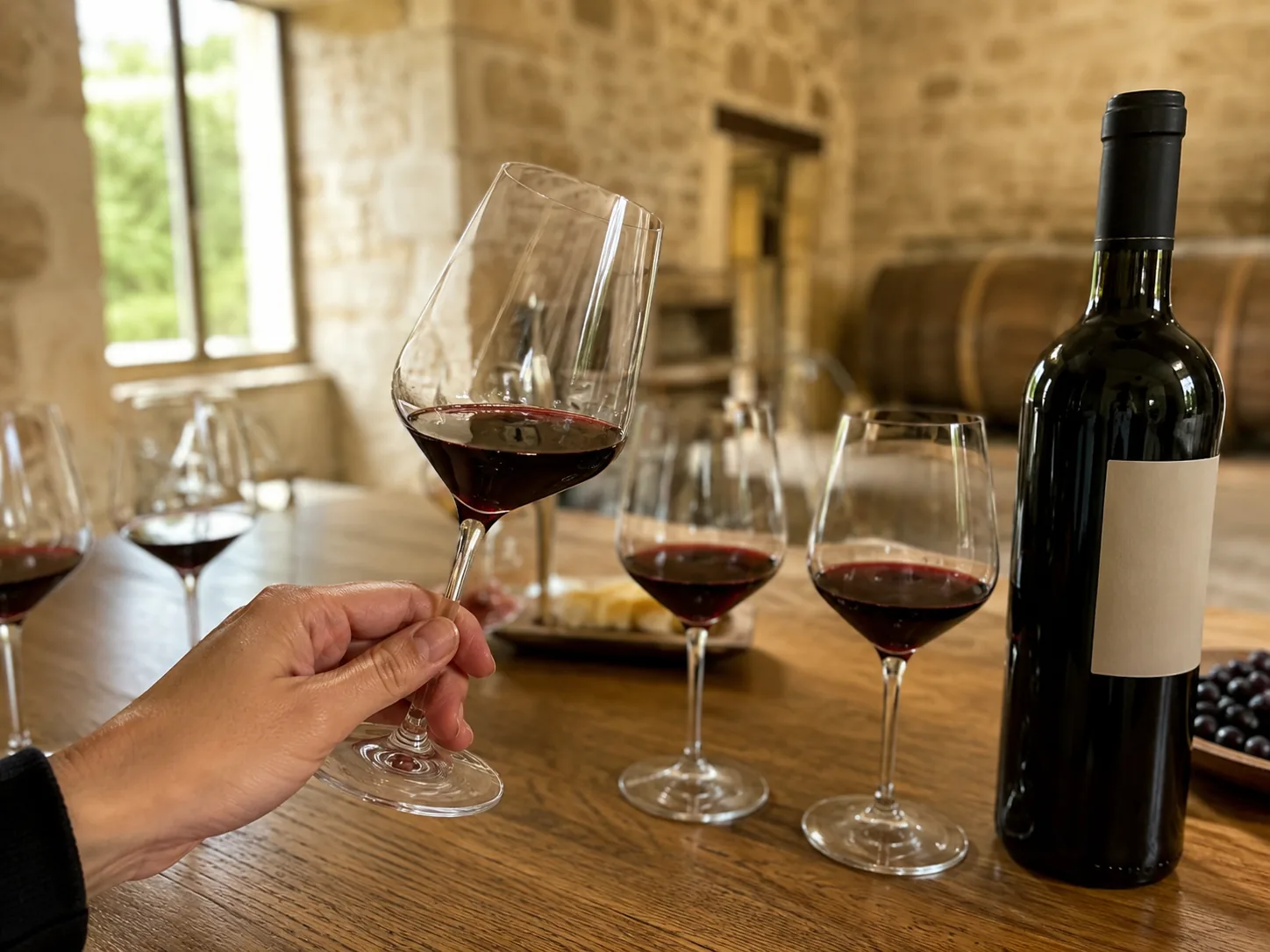
The flagship tours depart early from central Bordeaux — usually 7 or 8 a.m. from a hotel or agreed meeting point. You travel by minibus with a small group (8–15 people) and a professional wine guide or sommelier who knows the châteaux owners personally. Most days follow this shape: arrive at a château, hear a brief introduction to the vineyard and style, taste 2–4 wines directly from the estate, and move to the next. No two châteaux are the same — some tastings happen in the grand tasting room; some in the barrel cellar 12 metres underground. At professional tastings, spitting into buckets is normal and expected; guides provide them. Lunch comes either at a château (the combo and premium tours include a picnic), or you have free time to eat on your own. By 5 or 6 p.m., you’re dropped back at your hotel. The whole experience is about the wine and the people who make it, not about performance or show.
What each price band buys
Budget tours (€60) give you one organic family winery, 3 wines, and the town. You get a genuine château experience but at a smaller scale than the famous names. The middle tier (€60–95 half-day, €160–195 full-day) covers 2–3 classified-growth châteaux with 6–15 wines total across both regions or one, and lunch is usually included or time for lunch is built in. Private tours (€590+) give you a dedicated guide and vehicle, the most prestigious châteaux, and a gourmet picnic among the vines. In-city options (Cité du Vin, tasting class) run €23–33 and suit travellers who have no time, fear the wine snobbery, or want to learn the technical basics without driving.
When to come
The best months are May through October. Harvest runs from mid-September to mid-October — the vines are at their liveliest, the energy in the châteaux is electric, and you might see picking underway. The trade-off: some châteaux close their doors during harvest because the staff is in the fields. Winter tours (November through March) still run but with fewer departures and bare vines — romantic if you like that, but you lose the visual spectacle. Mornings are quieter than afternoons; book an early slot if you want a more intimate group. In any season, reserve 1–3 days ahead; the best tours fill quickly, and most operators open availability in that window.
The bottom line
If you come to Bordeaux, book a day tour. If you only have time for half a day, pick one bank — Saint-Émilion if you want the village and medieval charm, the Médoc if you want the grand châteaux and the 1855 names. If you have a full day, the combo covers both. Either way, you show up at the right time, let the guide do the driving, and let the châteaux open their doors. The wine will tell you the rest.
Ready to book?
The full-day St-Émilion and Margaux combo covers both banks in one go; if you’d rather pick a side, start with Saint-Émilion vs the Médoc.
Frequently asked questions
Do Bordeaux wine tours include tastings?
Yes. Every vineyard tour on this site includes tastings — from three wines on the budget half-day to up to fifteen on the full day with lunch. See what each price includes.
Where do the tours depart from?
Central Bordeaux. Half-day tours run about 4 to 4.5 hours, full days 8 to 9 hours. If you’d rather go independently, read visiting the vineyards without a car first.
When is the best time to take a wine tour in Bordeaux?
May to October is the sweet spot; harvest runs roughly mid-September to mid-October. The month-by-month picture is in the best time to visit.