Best Time to Visit Bordeaux Wine Country
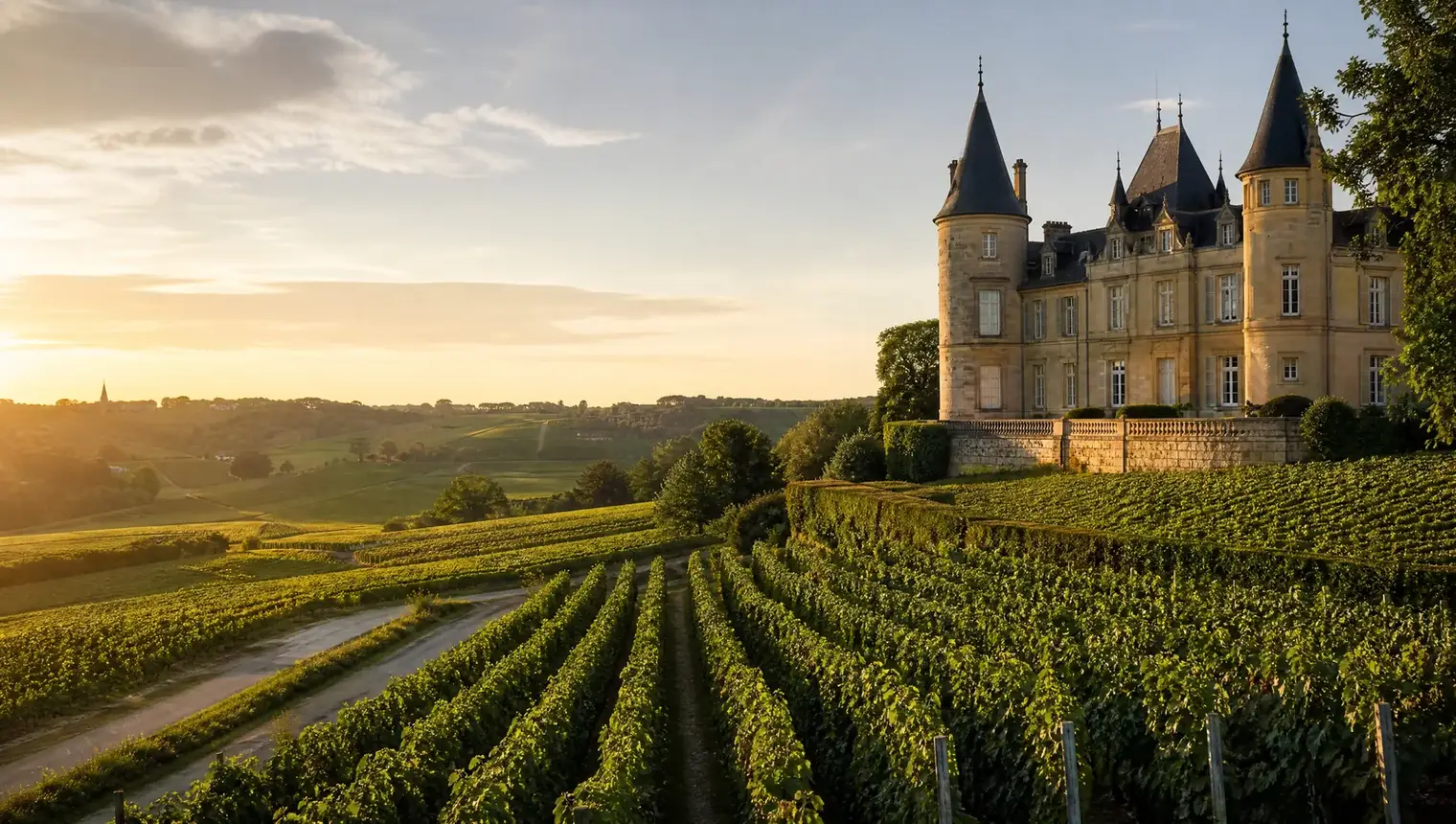
May and June: spring at its best
The vines are green and growing. Bordeaux weather is mild, 15–22°C. No rain yet (usually). The châteaux are open and relaxed. Small-group tours run multiple departures daily. Hotels fill from mid-May onwards, so book ahead. This is my favourite season to guide — the light is soft and the countryside is fresh. Late May through June is peak tourist season, but the weather makes it worth it.
July and August: summer heat
Hot and increasingly busy. Temperatures regularly hit 28–32°C (80–90°F), sometimes higher. Many tourists come. Most châteaux are open, but some close during August (holiday). Early morning tours are popular to beat the heat. Cellars stay cool at 12–14°C, so the tasting rooms are a relief. Hotels book solid; plan ahead. The advantage is that tour schedules are packed with options and late sunsets mean evening activities are possible.
September and early October: harvest paradox
This is the harvest season — mid-September to mid-October. The vineyards are at their busiest and most alive. Pickers work the rows, equipment moves between estates, and the energy is real. But here’s the catch: many châteaux close to visitors during vendanges because the team is in the fields and the cellars are full. Smaller estates stay open; larger classified growths often don’t. If you want to see harvest activity, book a tour that explicitly mentions it. Otherwise, harvest season can mean fewer options. Weather is still warm and dry, 18–25°C.
November to March: winter and rain
Cool to cold, 5–15°C. Frequent rain, especially December to February. The vines are bare. Tourist numbers drop sharply, so you get quieter tours and shorter lines. Hotels are cheaper. Some tours consolidate and run fewer departures. This is honest: if you love rain and solitude, winter is underrated. If you want green vines and warmth, skip it. I guide in winter — the groups are small, the light at midday is low and golden, and cellars at 12–14°C are surprisingly pleasant even when outside it’s grey. Bring a warm layer and waterproof shoes.
April: the forgotten shoulder
Spring returning, vines budding, temperatures climbing from 8–20°C. Still quiet, so good value. Fewer tours run than in May. If you want to avoid peak season but also avoid winter cold, late April onward is solid.
What to pack by season
May–October: layers (cellars are cool), comfortable walking shoes for cobbles and vineyard paths, a light rain jacket (showers can happen). November–March: warm jacket, waterproof coat, closed-toe shoes with grip. July–August: hat and sunscreen; the sun is relentless.
Book early if you visit May–October; tours fill fast. If you go November–March, plan for rain and accept some châteaux closures, but enjoy the quiet and lower prices.
Frequently asked questions
When is the best time to visit Bordeaux wine country?
May through October. Spring (May–June) and fall (September–October) have the best weather, fewest crowds, and every château open. Summer (July–August) is hot and busy but has long daylight. Winter (November–March) is wet and quiet.
What happens during harvest?
Vendanges run mid-September to mid-October. The vineyards are liveliest, but many châteaux close to visitors because the team is picking. Smaller estates stay open; large classified growths often don't. If harvest is your goal, book a tour that mentions it specifically.
Is winter a good time to visit?
Not for sun or green vines, but yes if you like rain, fewer tourists, and lower prices. The cellars are cool year-round, so tastings are pleasant even in winter. Bring warm clothes and waterproofs and accept that some châteaux won't be open.
Should I visit in summer?
Yes, if you like heat and company. Temperatures can exceed 30°C. Tours run frequently and hotel options are full. Cellars provide cool relief. Book very early and consider early-morning tours to beat the afternoon heat.